November 25, 2026
What Irises Symbolize in Japanese Seasonal Festivals
By @stemdiary10
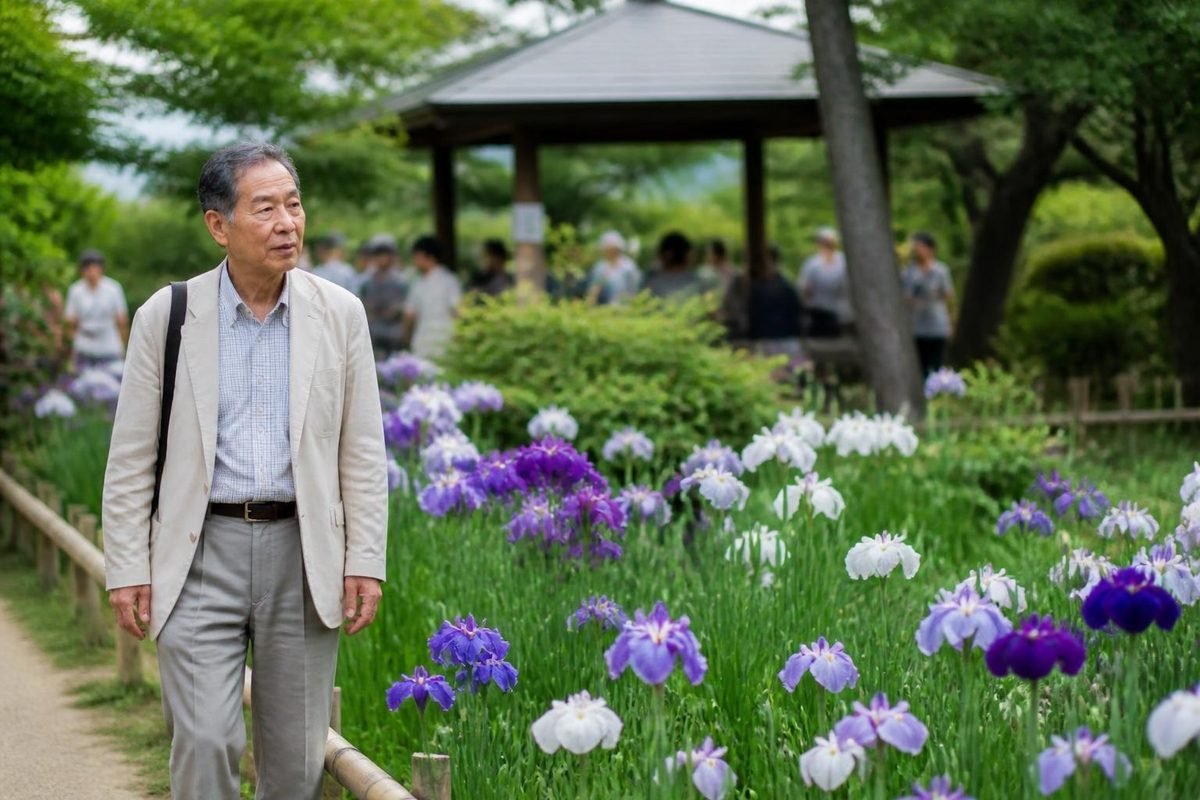
In Japanese seasonal festivals, irises mark the arrival of early summer and invite people to appreciate a flower at its brief peak. Iris traditions also sit close to those of sweet flag, a different plant associated with protection and Children's Day.
Irises and the early summer season
The Japanese iris, known as hanashobu, flowers around June in many parts of Japan. Its blooms appear in shades of purple, blue, white and combinations of these colors. Their short flowering period makes them a natural focus for seasonal outings.
Hanashobu festivals often center on gardens where visitors can walk beside beds of flowers and see the different varieties. The point is not necessarily to assign a separate message to each bloom. The flowers themselves signal a change in the season and offer a reason to gather outdoors.
Water is part of the setting in many iris gardens. The plants are often grown in moist soil, and their upright leaves and broad flowers look especially striking beside paths and ponds. A festival visit can be a way to notice both the flowers and the landscape arranged around them.
Why sweet flag is part of the story
Sweet flag, called shobu in Japanese, has long, pointed leaves that resemble iris leaves. Despite the similar appearance and related names, sweet flag is not the same plant as the Japanese iris displayed for its large flowers. That distinction helps explain why descriptions of iris symbolism can sometimes seem to refer to two different traditions.
Sweet flag is associated with Tango no Sekku, the seasonal observance on the fifth day of the fifth month. In Japan today, May 5 is also Children's Day. Sweet flag has traditionally been used at this time for its protective associations, rather than for a display of showy iris blossoms.
Its sharp leaves and strong scent are part of that history. People placed the leaves in and around their homes, and bathing in water with sweet flag leaves became a seasonal custom.
Protection and strength
Sweet flag was traditionally thought to help ward off harm. Its Japanese name also sounds like words associated with martial spirit and victory, which helped connect it with wishes for strength. Tango no Sekku became especially associated with boys and hopes for their healthy growth.
These customs help explain several familiar uses of the plant:
- Sweet flag leaves in a bath express a wish for health and protection.
- Leaves placed around a home recall the custom of keeping harmful influences away.
- The name shobu links the plant through wordplay with qualities such as courage and strength.
Reading the flowers in context
At a June iris festival, the clearest meaning is seasonal: the flowers announce early summer and give visitors a chance to enjoy a garden at its peak. At a Children's Day observance, references to shobu may instead point to sweet flag and its older protective customs.
Both traditions show how plants can carry seasonal meaning in Japan. Looking closely at the plant and the occasion makes the symbolism easier to understand.
Take a look at post-harvest care of cut flowers
❧